About
805,000
people in the U.S. have a heart attack each year.(1)
GoHeart is being developed to help people respond faster during a suspected heart emergency through rapid alerting and emergency-support features. In the United States, someone has a heart attack every 40 seconds, and about 805,000 people have one each year.
The facts are sobering — but knowing them is the first step toward faster action and better outcomes.

GoHeart is a wearable emergency-support device being developed to help bridge the gap between the first symptom and the arrival of emergency care.
Designed to quickly alert nearby people that you may need urgent help.
Designed to provide fast access to Aspirin (when appropriate and consistent with medical guidance).
Emit a distress message to alert nearby people that the user may be experiencing an emergency, including instructions for performing CPR.
Future versions may include additional medications, heart-health monitoring, emergency notification features, and even send CPR instructional videos to nearby phones.
Fast action starts with knowing what to look for. Learn the warning signs of stroke and heart attack from trusted public-health sources.
Watch this CDC video to learn the warning signs of stroke and why acting quickly matters.
Watch this NIH video to learn common warning symptoms of a heart attack and why early response is critical.
Important: If you think you or someone else may be having a heart attack or stroke, call 911 immediately.
In suspected heart attacks, aspirin helps reduce blood clotting and can help keep blood flowing through a narrowed artery.
Aspirin acts as an “anti-platelet” agent, preventing blood cells (platelets) from sticking together. This keeps the clot from getting larger and allows some blood to continue flowing to the heart muscle.
GoHeart was born from a personal mission: to help families be better prepared in a suspected heart emergency, and to honor loved ones lost too soon.
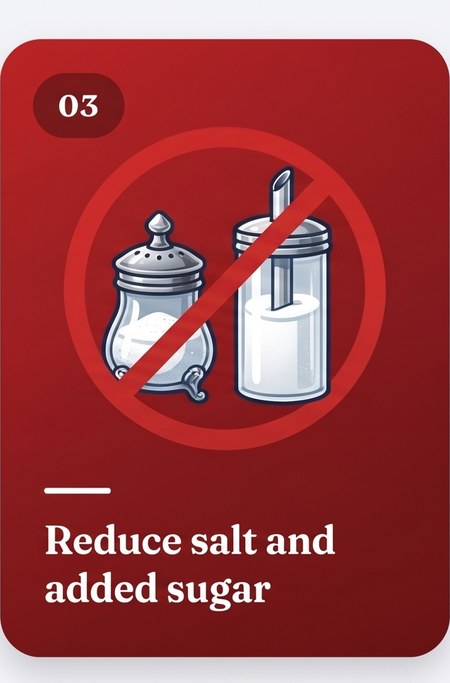
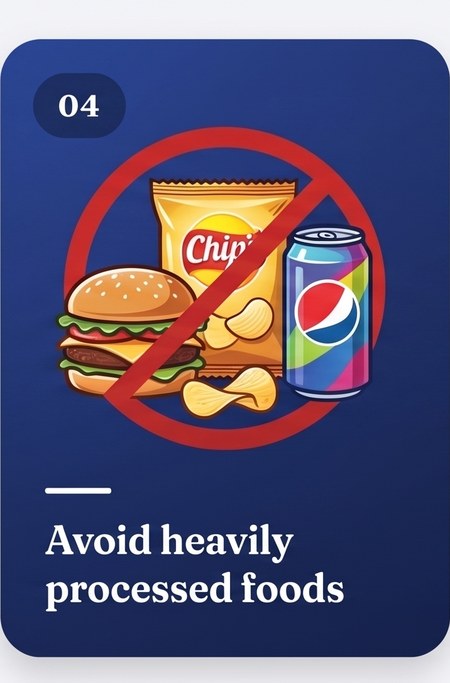
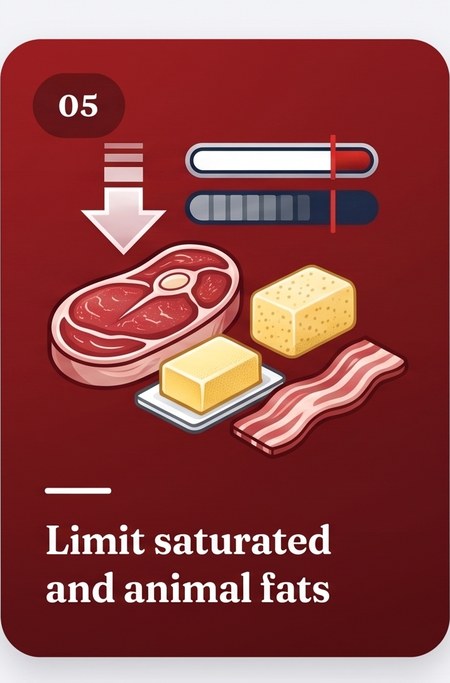
Be among the first to own the device that could one day save your life. Pre-order GoHeart on KickstarterPreventing heart disease is just as important as responding to an emergency.
Check your cholesterol, blood pressure, and lipid profile regularly.
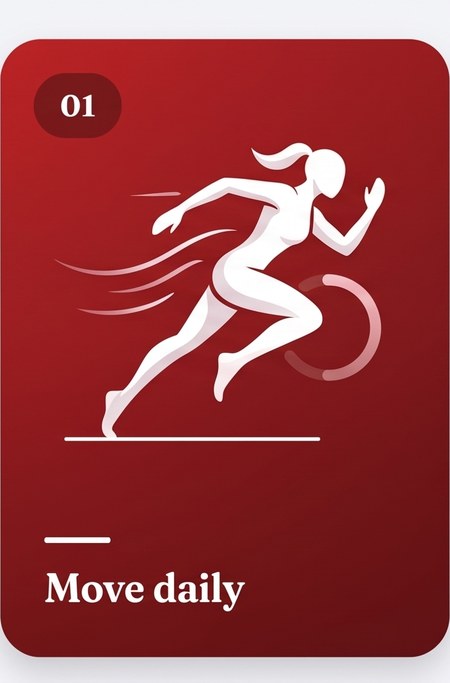
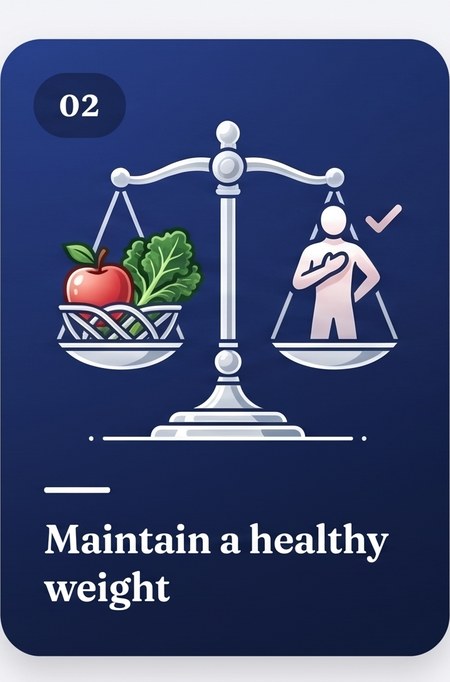
Small daily choices add up to lasting change.
Have a question about GoHeart, partnerships, media, product updates, or early access? We’d love to hear from you.
Whether you are a potential customer, healthcare professional, investor, distributor, or media partner, please send us a message and our team will get back to you as soon as possible.
Important: This contact form is not monitored for medical emergencies. If you think you or someone else may be having a heart attack, stroke, or other medical emergency, call 911 immediately.
Send us your question, feedback, or inquiry, and we will get back to you soon.
GoHeart is not a substitute for professional medical care, diagnosis, or treatment.
If you think you may be having a heart attack or other medical emergency, call 911 immediately.
Information on this website is for general educational purposes only and does not constitute medical advice. Any discussion of aspirin is general information only. Aspirin is not appropriate for everyone and may cause bleeding or allergic reactions. Do not take aspirin unless directed by emergency personnel, a healthcare professional, or prior physician guidance.
GoHeart is intended to support faster response in a suspected heart emergency, but it does not guarantee survival, prevent heart damage, or ensure any specific medical outcome. Any mention of future features as monitoring, emergency notifications, or expanded medication support reflects development goals only. Such features may change, may never launch, and may require testing and regulatory clearance before release.